
Why Early Action Matters One of the biggest risks injured workers face is waiting too long to act, especially when it comes to getting the correct diagnosis or legal advice. Let’s say your claim is approved for a minor injury like a sprain. But weeks later, you're still in pain, and further testing reveals a torn ligament or herniated disc. If that more serious condition wasn’t included in the original claim, getting it added later can be difficult, time-consuming, and contested. That’s why early, aggressive action is essential. Get diagnostic testing like MRIs early if recovery isn’t progressing. Make sure every affected body part is properly included in the claim. And most certainly push for treatment approvals as soon as a more serious diagnosis is confirmed. What you do in the first few weeks after your injury will directly impact the care you receive and the benefits you’re entitled to months or even years later.…Read More

How Do Light-Duty Or Modified Work Assignments Work? When you're medically cleared to return to work with restrictions, your employer may offer a light-duty or modified job. Ohio law requires that this offer be made in writing, and it should include as much detail as possible about the job responsibilities. Before accepting a light-duty assignment, be sure to: Talk to your treating physician. Make sure your doctor reviews and approves the job based on your medical restrictions. If the job doesn't match the restrictions or ends up being more demanding than promised, go back to your doctor immediately. In cases where the employer isn't honoring the restrictions, I advise clients to document the issue in detail and see their doctor to update restrictions or certify that they should be taken off work entirely. You’re not required to push through work that’s unsafe for your recovery. If your employer can’t provide a safe, modified role, you…Read More

Can You Choose Your Own Doctor? Injured workers in Ohio have the right to choose their own treating physician, as long as that provider is registered with the Ohio Bureau of Worker's Compensation (BWC). This is an important decision. Your doctor’s documentation and treatment recommendations are central to your case. Choosing someone who is not only qualified but also responsive to your needs can make a significant difference. What If You Disagree With Your Treatment Plan You’re not locked into a medical plan you don’t agree with. If you and your doctor disagree about your course of treatment, or if the options being presented don’t feel right, it’s okay to speak up. While it’s rare, these disputes do happen. In those cases: We may speak with your doctor about alternative treatment paths. If your physician recommends something the BWC disputes, we can request a hearing to push for approval. Know that the BWC does not…Read More

Why Are So Many Claims Initially Denied In Ohio? It’s surprisingly common for a worker's compensation claim to be denied, especially early on in the process. Two of the most common reasons: Lack Of Proper Medical Documentation If your medical provider doesn’t clearly link your diagnosis to the workplace injury, or if records are missing altogether, the BWC is likely to deny the claim. Employer Disputes The Claim If your employer contests the claim, the BWC may side with them unless there’s strong documentation supporting your case. It’s likely they’ll claim the injury didn’t happen at work or isn’t as serious as reported. If your claim is denied, you have a very limited window to file an appeal. Delaying can cost you the benefits you need and deserve. Common Reasons For Denial Early-stage denials typically happen because of: Incomplete or incorrect forms Missing medical reports Employer objections Later in the process, denials often involve requests…Read More

Wage Replacement: What You’re Entitled To (And How It Works) When you're injured on the job and unable to work, Ohio's workers’ compensation system provides several types of wage replacement benefits. Temporary Total Disability (TTD) This is typically the first benefit you’ll receive. It’s paid in place of your regular wages when: You’re unable to work due to your injury, or Your employer can’t accommodate the work restrictions set by your doctor. Wage Loss Compensation If you're able to return to work but can’t earn the same wages because of medical restrictions, workers' comp may cover part of the income difference. This benefit applies to both part-time work and lower-paying transitional jobs. These benefits can be vital while you're recovering, but they don’t always start automatically. They must be properly requested and supported with thorough documentation. What Medical Treatments Are Covered? Workers’ comp does not automatically cover every medical issue. It only covers treatments related…Read More

Workers’ Comp Vs. Personal Injury: What’s The Difference? A lot of people confuse workers’ compensation claims with personal injury lawsuits, but they’re two completely different legal paths. In a personal injury case, someone gets hurt due to someone else’s negligence. Think of situations like a car accident where the other driver runs a red light. If you're injured in that scenario, you can file a lawsuit and potentially recover a variety of damages: lost wages, medical bills, pain and suffering, and more. Workers’ compensation operates under a completely different system. In Ohio, employers are required by law to carry workers’ comp coverage. If you're injured on the job, your claim is filed with the Ohio Bureau of Workers’ Compensation (BWC), and instead of proving negligence, you just have to show that your injury happened in the course and scope of your employment. Once your claim is allowed, you may be eligible for two main types…Read More

Work Injuries Are More Common Than You Think No one clocks in expecting to get hurt but in many jobs, hundreds of workers suffer workplace injuries every year, ranging from minor sprains to serious trauma. For blue-collar workers physical hazards are a part of the daily grind. But even office workers can trip over power cords, and deal with ergonomic issues as well as stress-induced health conditions. If You Tripped On A Loose Cable At Work, You Might Have A Claim Imagine this: you’re rushing to a meeting and don’t notice a loose cable stretching across the walkway. You trip, hit the floor hard, and now you're dealing with a sprained wrist and back pain. Can you make your employer pay? In Ohio, the answer is yes, under most circumstances. As long as the injury happened during the course of your employment (not due to gross misconduct or horseplay) you're likely covered by worker's compensation,…Read More

Is It Unethical To Report Your Boss To HR? it’s not unethical to report your boss when their behavior crosses legal or moral boundaries. In fact, not speaking up in serious cases can allow harm to continue unchecked, affecting not just you, but your team too. It’s not “tattling.” Any good HR department will recognize that but reporting your boss can still feel risky. Maybe they’re close with upper management. Maybe they’ve made “there will be consequences” remarks before. That’s why it’s so important to go about it strategically. Valid Reasons To Report Your Boss Not every annoying habit or bad mood justifies a formal complaint. But if your boss crosses certain lines, you have every right to take action. If you’ve experienced any or all of these at your work, it might be time to lawyer up: Harassment or discrimination: Racist comments. Sexist jokes. Targeting employees for their religion, gender identity, or age. None…Read More
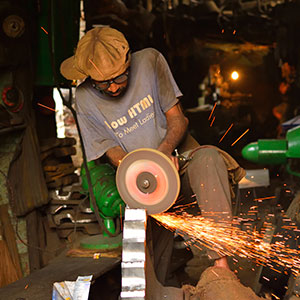
Your Job Might Be Hurting Your Health You’re up against a deadline... Again. You’ve just rewritten a client’s blog post for the third time, your Slack is pinging non-stop, and your manager just passive-aggressively asked if you're “feeling distracted lately.” The kicker? You’re still waiting on last month’s paycheck. This isn’t just stress - your work environment is wearing you down. If you're stuck in a high-pressure, disrespectful, or downright unsafe job, you're not alone. So, what can you actually do about it? What Is A Toxic Work Environment? Let’s be clear: a “toxic work environment” isn’t just a place you don’t like. It’s one where dysfunction, neglect, or even abuse is baked into the culture. That might look like: Constant fear of retaliation Micromanagement or unclear expectations Favoritism, exclusion, or discrimination Lack of support for health—mental or physical Unrealistic workloads or expectations If you dread Mondays not because of your duties, but because the…Read More

In this article, you can discover… The main factors that impact the value of an Ohio workers’ comp claim. The types of benefits allowed for workers’ comp under Ohio law. How a seasoned attorney can help you get the compensation you deserve. What Main Factors Impact The Value Of Workers' Compensation Cases In Ohio? Ohio offers both permanent partial disability (a benefit similar to a pain and suffering award) and full and final settlements of claims. Ohio considers the impact of your injury on future wages as well as future medical expenses when determining justified workers’ comp settlements. It’s also important that an Ohio Bureau of Workers’ Compensation-approved doctor verifies that your workplace accident caused the injury and that every body part involved in the injury is accurately documented. Ohio has a category of disability known as “permanent partial disability,” which can compensate you for a portion of lost wages resulting from your injury. A…Read More


